


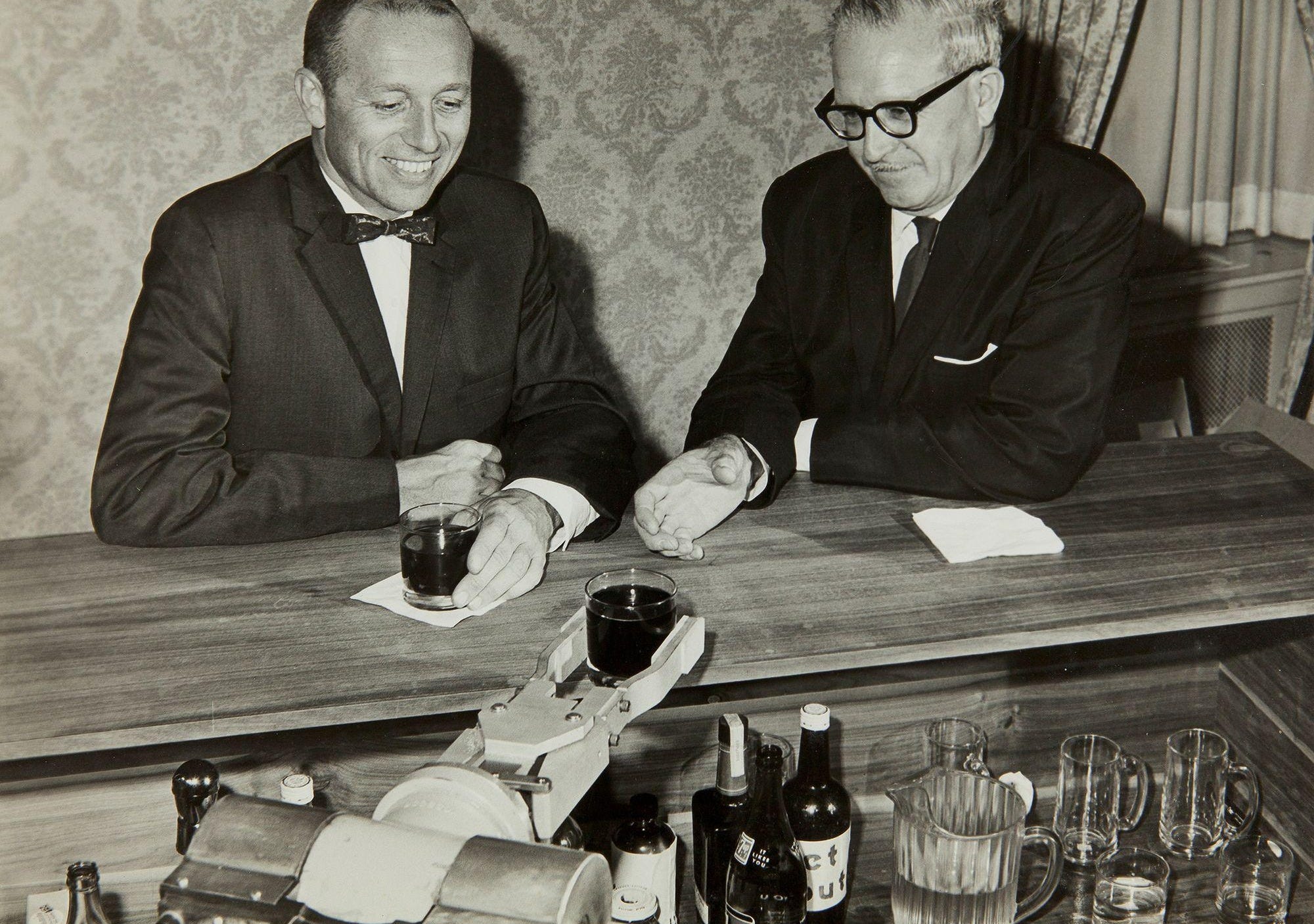
Several years ago, at an event in the Bay, I was talking to an expert in human–robot interaction. We were watching a demo from Bear Robotics, at that point just a scrappy prototype. You can imagine it as a Roomba with a rack attached to the top, designed to move food and drinks around a restaurant.
As we watched, they remarked that they wished it went further, completely removing the interaction between the server and the served. I want to enter a restaurant, order on a screen, have the robot deliver my food, and not be bothered.
Internally, I thought: Jeez, that’s a tad odd. Externally, I mimetically repeated the pitch we’d just heard. It’s great! Servers have more time to focus on value-added tasks: making sure diners are enjoying themselves, answering questions about the menu, and upselling. Moving food is the commoditizable part of the job!
After spending much of my teens and early twenties working in restaurants, I was also thinking about Chef Mike, an archetypal, slightly imbalanced kitchen guy. If food sat in the window too long, whoever eventually came to collect it got a tongue-lashing, even if they were only helping out. Better the robot than me.
So, as we watched this robot scoot around the conference floor, I felt that I was right. The thing is, so did they. The divergence was really about something else.
What Is a Restaurant For?
If you lived in Pompeii or Herculaneum before it blew, a restaurant was a stall you brought your own plate to, were served warm slops and stews from large dolia, and then ate your meal outside. Having an oven at home was uncommon.
For most of history, this was roughly what prepared food sold in public looked like. There were places that offered whatever was available or had been prepared on that particular day, but you didn’t have a choice in what those things were. At a table d’hôte in eighteenth-century France, diners arrived at a fixed hour, sat together at a shared table, and ate the same meal.
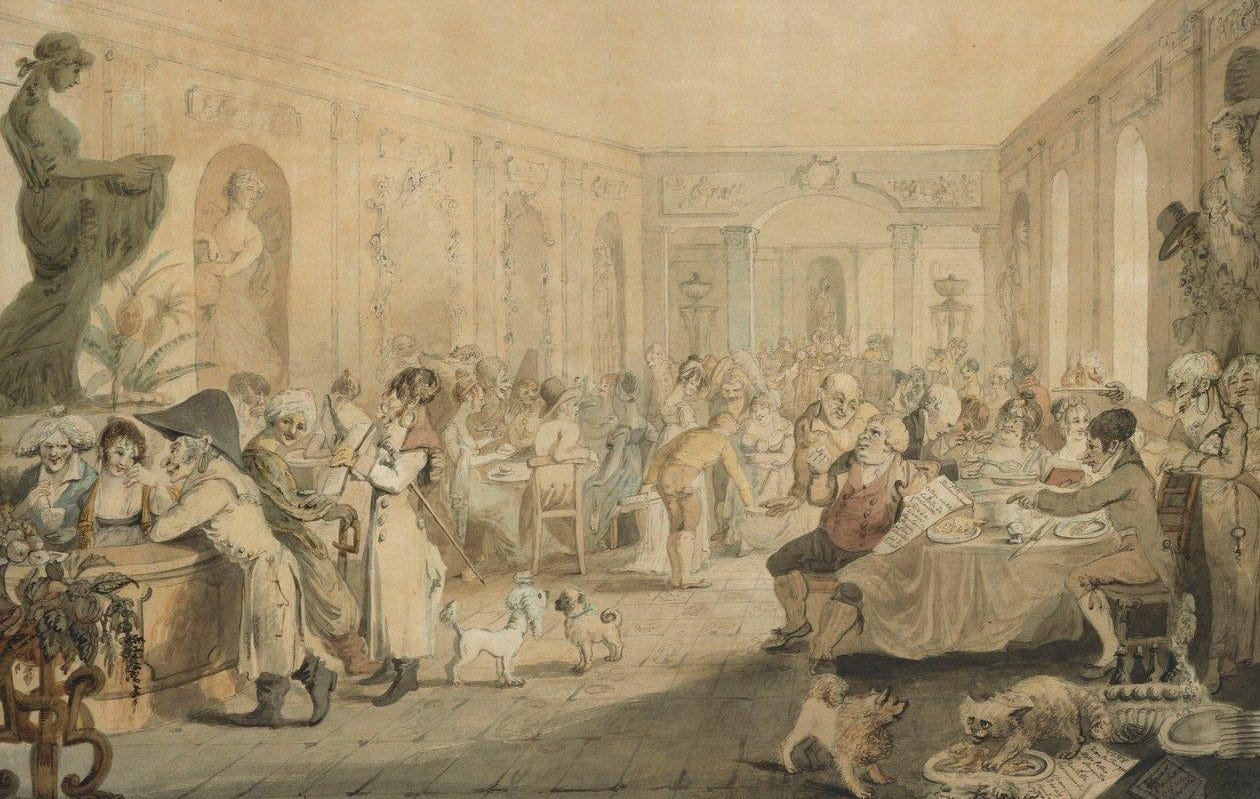
The modern European restaurant changed this, though Europe was a little late to the party. “Restaurant” comes from the French restaurer (to restore or refresh). Originally, they sold restorative broths to people too delicate or fussy for ordinary food. The meal was a response to an individual constitution, so it came with an individualized system of service. The restaurant was, as historian Rebecca Spang puts it, a public place people visited to be private.
The menu is so normal to us now that we don’t really see it. It’s a technology for translating the present capabilities of the kitchen into a legible set of consumer options. The waiter makes that large, shared production system responsive to the desires of a specific person. That responsiveness can be functional. Bring the food I selected to the table where I am sitting. It can also make us feel recognized, welcomed, or important.
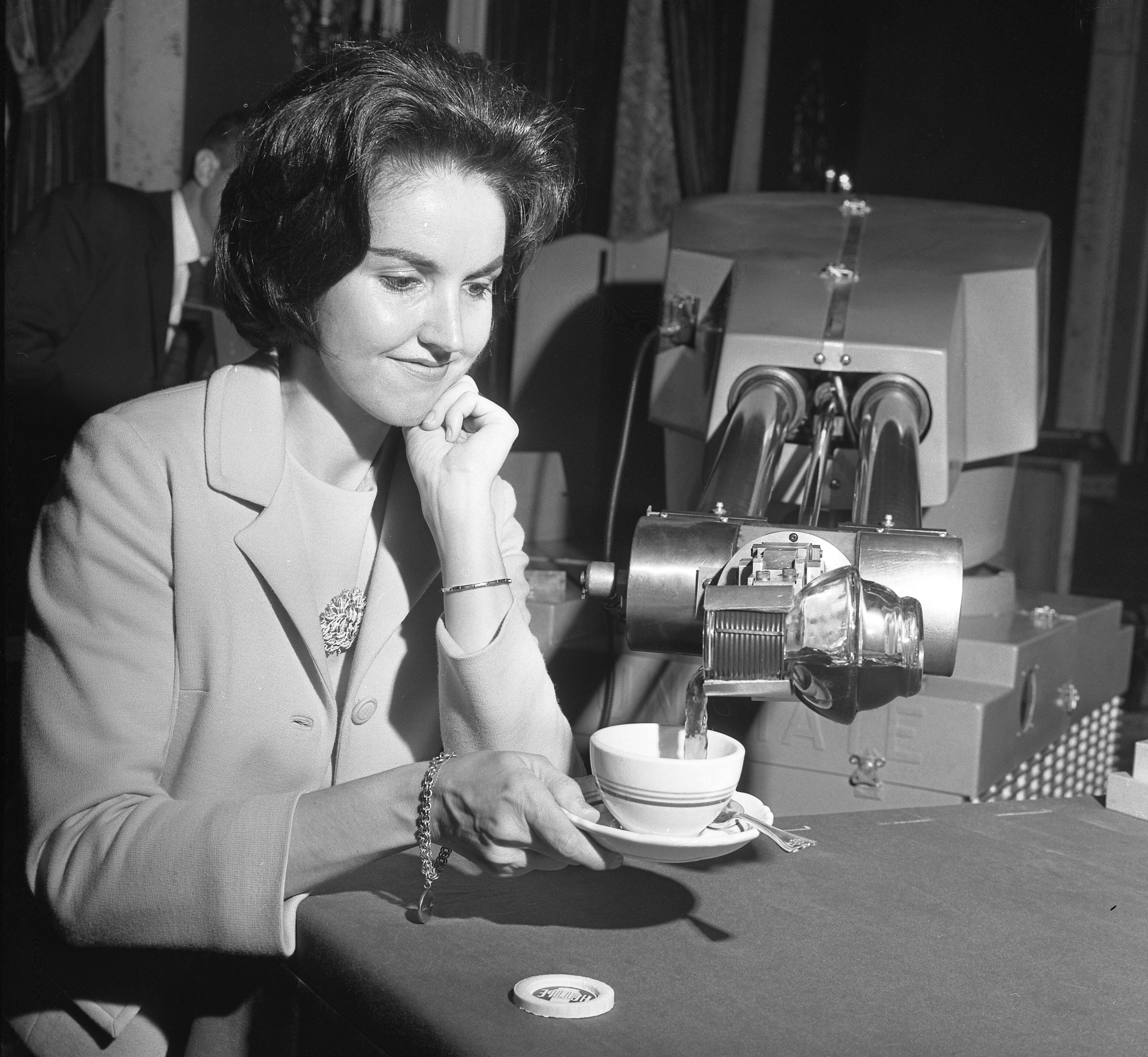
Can a robot make me feel like Henry Hill entering the Copacabana? Probably not. It doesn’t always need to.
There isn’t one restaurant experience. Automats were fast, autonomous, and came with a futuristic pleasure in receiving lunch through a tiny glass door. Fast food sells predictability. Fine dining, theatre.
Each has their own expectations about choice, interaction, and care, even if the physical task of moving food is approximately identical. Sometimes, the food is only background to something more interesting.
Steven Shapin’s paper, “Breakfast at Buck’s,” looks at a breakfast spot in Woodside, California, famous for being a meeting place for Silicon Valley types. The legend goes that Netscape, Hotmail, PayPal, and Tesla all inked deals there. The truth isn’t all that important.
After Buck’s was known as a place where companies start, people went there hoping to start companies.
Breakfast is short, informal, and deniable. It signals more interest than an email, less commitment than dinner. Eating together allows you to see things about someone else that a pitch doesn’t. At Buck’s, you could perform informality while evaluating one another seriously.
No one really cared about the pancakes. A robot could move around the plates just fine, but moving around plates was not the only thing that restaurant was for.
From moving plates to picking them up
In an old job, I traveled around the US, visiting robotics labs and doing Gemba walks. Of all of them, BMW’s Spartanburg plant stands apart.
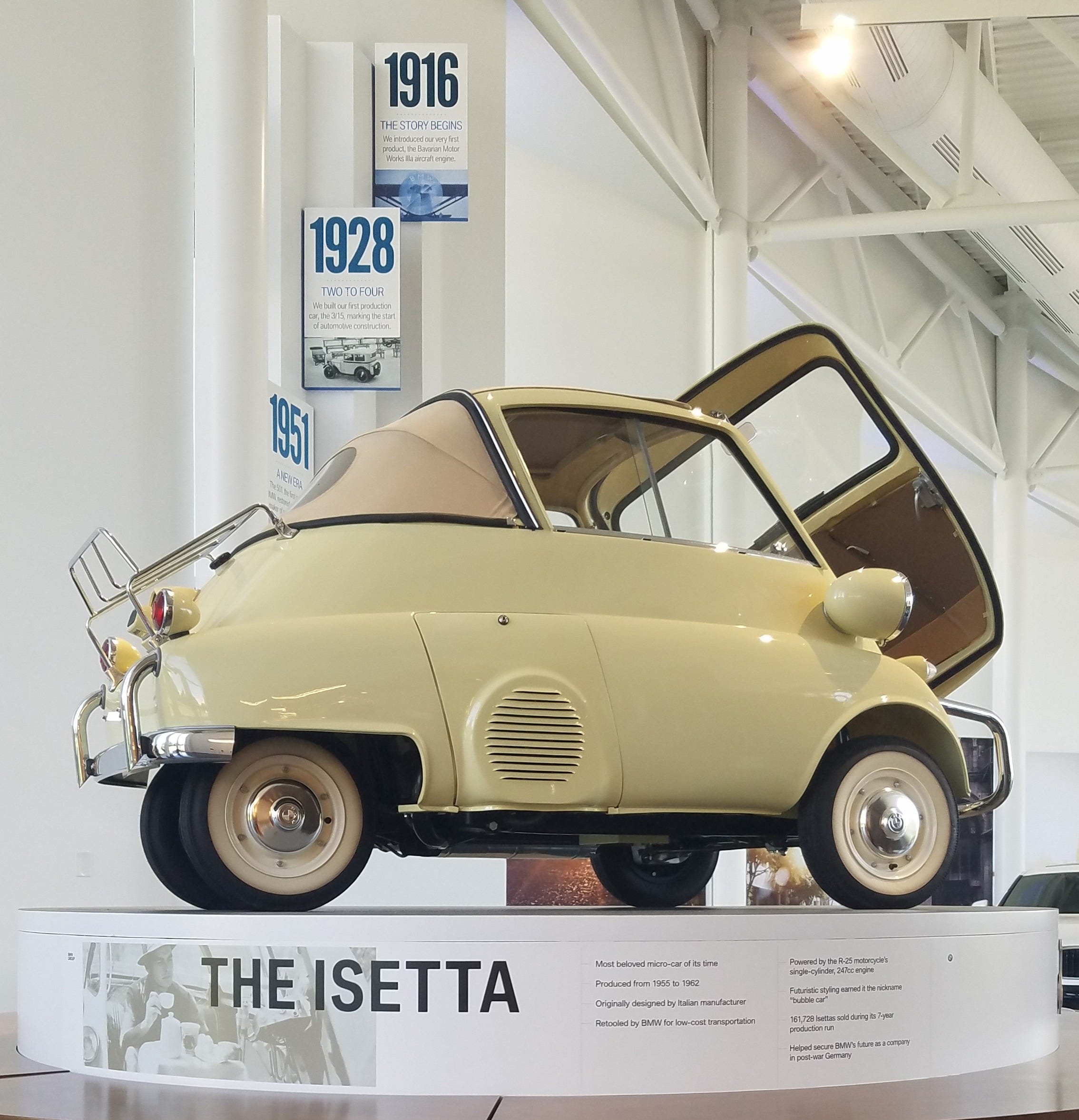
Automotive manufacturing has been among the easiest industries to find opportunities for automation. Motions are repeatable, material is typically non-pliable, and there’s enough production volume to prorate the cost of a robot over its lifecycle.
The best manufacturers, including BMW, chase the manual tasks left between what’s been automated. One of those is parts loading. There’s nothing exotic about using a 6-axis arm for this. It would do it faster and more reliably than a humanoid, but you’d need to redesign the cell.
That means bespoke engineering, production stoppages for install, more floor space, and a system that may need rework whenever components or vehicle models change. A humanoid can theoretically fit in this specific, human-shaped spot more easily.
Of the possible tasks one could be assigned, parts loading is perhaps the shortest straw. It’s not dirty or dangerous. It is dull, exceptionally so. You can actually learn the job right now. Stand here. Move these plates of metal from this stack onto this fixture. The fixture will rotate the piece into the robot’s cage. Then, the robot does what it does. Don’t worry too much about that, but it expects the new part to be there when it’s done. You run on its time. Repeat all day.
But from observing someone do this task, you discover qualities about them that would’ve otherwise been hidden. Do they show up on time or late? Are they dependable? Are they flaky? Do they keep pace with the cycle time or cause shutdowns? Do they understand and reliably observe safety protocols?
The visible task’s output is not necessarily its only function. Watching someone do a task can be a cheap way of identifying whether or not they’re trainable for other, higher-level ones.
In both the best and worst cases, you rotate through people. Good workers move into better positions. Others wash out. Then the job is posted and filled again, which adds time and cost. We should automate jobs like these. There are better things people can be doing and better ways of assessing their potential. Assessment will still have to happen, just somewhere else.
BMW will figure that out. They have teams devoted to understanding how tasks, people, and production systems interact. Households do not.
Kind-of useful tasks
On a good day, I shoot 10% from the 3. On bad days, I have fun trying. Having those percentages, I chase the basketball around a lot. When I saw this recent demo from Galbot, I imagined a glorious future where I didn’t have to.
The robot may not replace a specialist basketball or tennis coach, but I’m not currently participating in the market for one. Getting good isn’t all that important. A humanoid that could chase the ball and occasionally notice that my elbow is flaring is kind-of useful. I can imagine lots of kind-of useful tasks. Daisy-chain enough together, squint really hard, and a humanoid could make economic sense.
But do I want to be the person at the park playing basketball with a robot? Do enough of us? General-purpose robots will be able to do far more than we routinely ask them to do. The asking will be shaped by socially acceptable types of interaction.
Which raises the question of whether I’ll reliably ask for the whole bundle of kind-of useful tasks that underwrote the original purchase. A Sprinter van sounds fun. If weekends aren’t spent camping, it becomes a lawn ornament.
A general-purpose robot becomes economically plausible by performing many kind-of useful tasks. Performing those tasks requires it to learn your life. The better it learns your life, the less it resembles a fungible appliance, like a dishwasher.
Will there be an aftermarket for humanoids people have spent months talking to before realizing that the bundle wasn’t all that useful? Do you feel comfortable factory-resetting something that’s walked around your home?
There’s an idea that consumer robots will deploy faster because household tolerances are less demanding than those in manufacturing. A kind-of well-folded shirt is fine.
These are physical tolerances, but sentimental and moral tolerances exist too. The average home is awash with them.
The Venetian Murano vase you bought on your honeymoon is more precious than the birthday gift you politely feigned excitement over. The urn with Fido is next to a flowerpot on the mantel. One should be watered. The other should not.
Of course, the humanoid can categorize objects differently and assign them different protocols. This is a baseball. You can toss it around. This is the baseball from the first home run you scored in Little League. Treat it as you would a museum piece. What does the interface look like? Am I responsible for giving the robot the history of every object on its welcome tour of the house?
Each household will add exceptions to the general capability. What the tool can do will exceed what it’s trusted to do. And humanoids will need to make their general purpose-ness legible to the particular lives they enter.
Just like in Paris, we’ll need menus.
This post was brought to you by Erik Satie’s Gymnopédie No. 1, the first restaurant music.